




One of the primary benefits of modern plumbing technology is the reversibility of certain connections. Unlike solvent-welded systems used for high pressure PVC pipe fittings, where the joint is chemically fused and permanent, push-fit connections offer the distinct advantage of being removable and reusable. This feature makes them ideal for temporary repairs or system modifications. However, removing these plastic pipe fittings requires a specific technique to disengage the internal locking mechanism without damaging the pipe or the fitting itself, ensuring both components can potentially be used again.
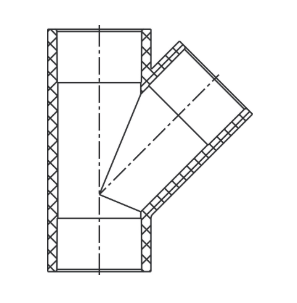
Understanding the Internal Locking Mechanism
To successfully remove these components, it is helpful to understand how they hold on. Inside push-fit plastic pipe fittings, there is a ring of stainless steel teeth, known as a collet, that bites into the pipe to prevent it from slipping out under pressure. When you pull on the pipe, the teeth dig in deeper. To release the pipe, you must push this collet ring flush against the body of the fitting. This action retracts the teeth away from the pipe surface, unlocking the grip and allowing the plastic pipe fittings to slide off smoothly.
Using the Disconnect Clip or Tool
The standard method for removal involves using a specialized disconnect clip or tong tool. These inexpensive tools are usually shaped like a “C” or a pair of pliers and are sized to match the pipe diameter. Snap the tool onto the pipe right next to the connection. Press the tool firmly against the release collar (the protruding plastic ring) of the plastic pipe fittings. While maintaining constant pressure on the collar to keep the teeth retracted, pull the pipe straight out of the fitting body. It should release with a moderate tug.
Handling Stubborn Connections
In some cases, especially with older installations, dirt or mineral deposits can make the release collar stiff. If the pipe refuses to come out of the plastic pipe fittings, try twisting the pipe slightly while compressing the collar to break any friction bond. Do not use excessive force or yank the pipe violently, as this can damage the internal O-ring or scratch the pipe surface. If the plastic pipe fittings are located in a tight space where a tool won’t fit, some brands allow you to use your fingers or a crescent wrench to depress the collar, though a dedicated tool is always more effective.
Inspecting the Pipe for Re-use
Once the connection is separated, it is critical to inspect the end of the pipe before attaching new plastic pipe fittings. The metal teeth of the initial connection often leave small scratches or scores on the pipe’s outer wall. If these scratches are deep, they can compromise the O-ring seal of the next fitting, leading to leaks. It is best practice to cut off the scored section of the pipe and deburr the new end to ensure a smooth, leak-free surface for future plastic pipe fittings.
Conclusion
The ability to easily disconnect and reuse push-fit components is a significant time-saver for plumbers and DIY enthusiasts, provided the removal is done carefully to preserve the pipe’s integrity. By using the correct release tool and technique, you can maximize the versatility of these plastic pipe fittings. With a global reputation for excellence, LESSO America produces a plastic fittings line that strictly adheres to cNSFus and cUPC certification requirements. By manufacturing products that surpass ASTM standards, the company provides superior quality solutions to meet the diverse needs of the industry.