



Among the options for clinical urinary drainage, the silicone foley catheter is a specific product category. Well Lead Medical supplies these devices, which are defined by their material composition and intended application. These products are designed for temporary or extended bladder drainage in clinical environments. Examining the features of a silicone foley catheter provides useful information for healthcare providers.
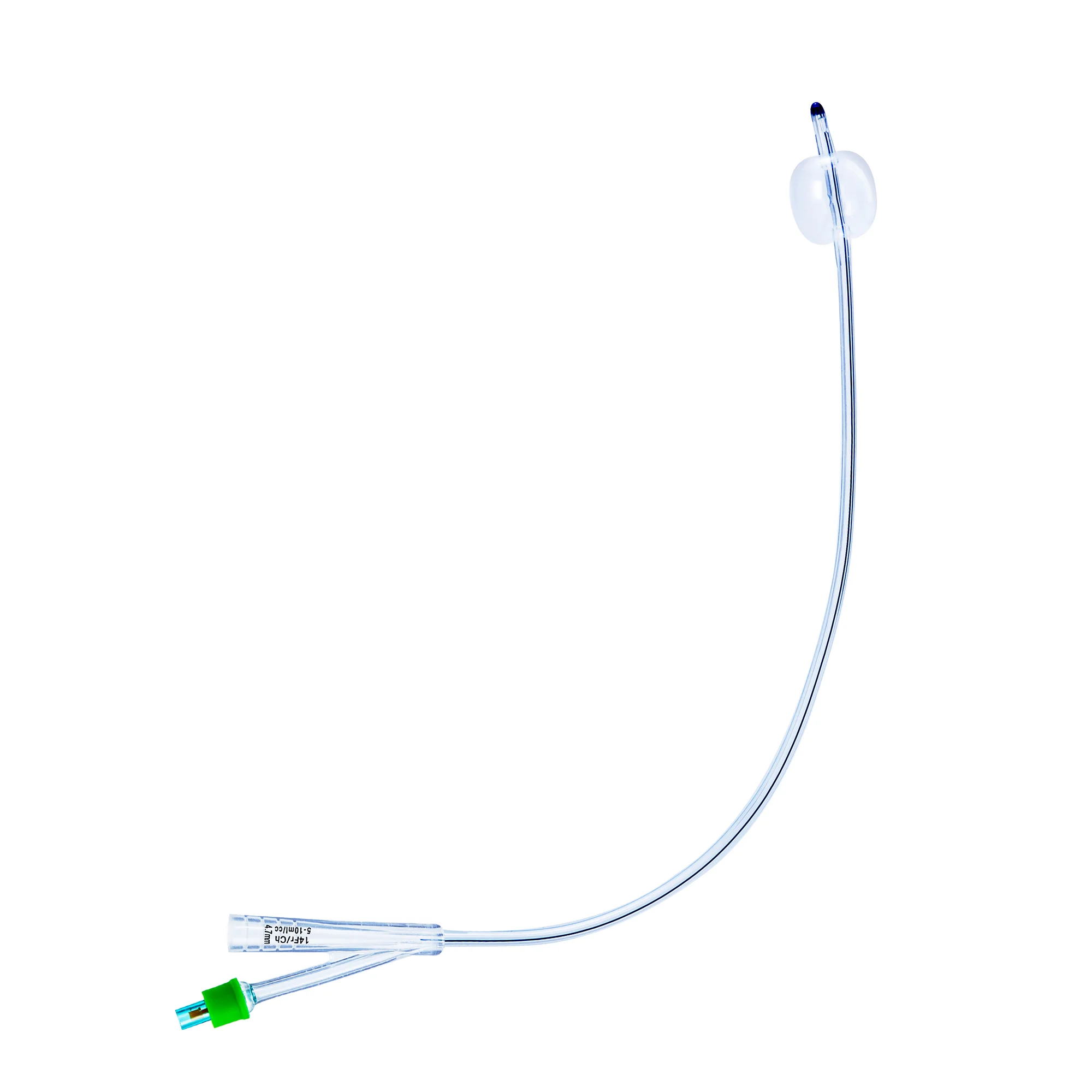
Sterilization and Single Application
A silicone foley catheter from Well Lead Medical undergoes a stringent sterilization process. The devices are sterilized using Ethylene Oxide (EO), a method chosen for its efficacy against microorganisms. This process is critical for ensuring patient safety, as each silicone foley catheter is intended for a single use only. The single-use designation helps minimize the risk of cross-contamination and supports infection control protocols in healthcare facilities.
Material Properties and Performance
The construction from medical-grade silicone defines the performance of this device. Silicone is selected for its biocompatibility and smooth, non-porous surface. These characteristics contribute to patient comfort by reducing tissue irritation and limiting the potential for encrustation during indwelling use. The inherent properties of the silicone material are central to the function of the silicone foley catheter in maintaining reliable drainage.
Variations for Clinical Needs
Well Lead Medical offers these catheters in different types. Availability in varied configurations allows medical professionals to select a product suited to specific patient requirements or clinical situations. This range in options addresses the need for flexibility in patient care management. The provision of different types of support helps clinicians in making appropriate selections for urinary drainage needs.
Well Lead Medical provides these sterile, single-use devices. The silicone foley catheter represents one solution within a broader range of urological care products. Its design and material properties are considerations for ensuring effective and safe patient management. Healthcare teams can evaluate these catheters based on the specific clinical scenario at hand.