




In modern feed production, efficient packaging systems are essential for maintaining feed quality and improving productivity. Selecting the right feed bagging machine can significantly influence operational performance, accuracy, and overall profitability. These machines are designed to handle various feed types—powder, pellets, or granules—while ensuring precise filling, weighing, and sealing. As the global demand for high-quality feed continues to grow, producers increasingly rely on smart and automated bagging equipment to meet production goals efficiently.
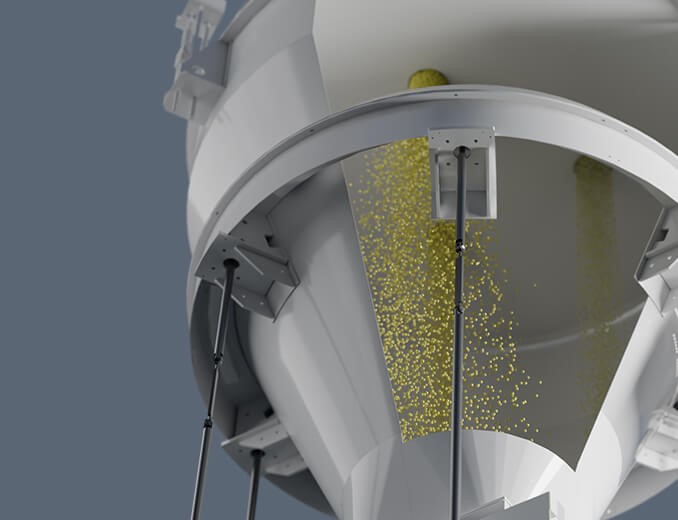
Automated Feed Bagging Machines for High Productivity
Automated feed bagging machine systems are among the most advanced technologies used in feed mills today. These systems perform weighing, filling, and sealing in a continuous, streamlined process. With integrated sensors and intelligent control software, they ensure every bag reaches accurate weight specifications. Automated machines can handle a wide range of bag sizes and materials, which makes them suitable for large-scale feed plants.
One major advantage of automation is reduced dependency on manual labor. Fewer operators are needed to monitor or adjust machine settings, lowering human error and enhancing consistency. Moreover, automated machines often integrate data collection and remote monitoring features that enable real-time analysis of performance, downtime, and material flow. This helps managers identify inefficiencies and make adjustments to improve productivity and cost control.
Semi-Automatic Bagging Machines for Flexibility
While automation is ideal for large operations, many small and medium feed producers prefer semi-automatic feed bagging machine options due to their cost-effectiveness and flexibility. Semi-automatic machines typically include manual bag placement but automate filling and weighing functions. This provides producers with better control over the process while maintaining steady output.
These systems are easier to operate and maintain, making them suitable for facilities with limited automation experience or lower production volumes. In addition, their modular design allows for gradual upgrades—manufacturers can start with a basic system and later add automatic sealing, stitching, or palletizing modules as their business expands. This adaptability ensures long-term value and scalability.
Integrated Batching and Bagging Solutions for Precision
Today’s feed plants require not only efficient bagging but also precise batching to maintain feed formulation accuracy. Many advanced feed bagging machine systems now connect seamlessly with batching and weighing solutions, creating a complete production chain. Professional hardware and software systems ensure that each ingredient is proportioned correctly before bagging, minimizing formulation errors and waste.
As described in FAMSUN’s feed production solutions, high-efficiency batching technologies improve proportioning accuracy while ensuring stable operation. By integrating batching and bagging, feed manufacturers can achieve consistent feed quality and enhanced traceability. This integration also contributes to sustainability—reducing excess energy consumption and material waste throughout the process.
Conclusion: Global Innovation in Feed Processing
Selecting the right feed bagging system plays a critical role in achieving efficient, accurate, and sustainable feed production. Whether using automated or semi-automatic solutions, manufacturers benefit from reduced costs, enhanced quality control, and better resource utilization. As a global technology provider, FAMSUN continues to lead in delivering advanced feed processing solutions that combine innovation, efficiency, and environmental responsibility. With five major production bases, global R&D centers, and thousands of successful engineering projects across 140+ countries, they help customers worldwide achieve smarter feed manufacturing with consistent results and sustainable growth.