


As the global electrical grid experiences heightened volatility in 2026, engineering teams are increasingly prioritizing robust infrastructure to stabilize corporate power networks. Implementing large-scale renewable generation requires more than just high-capacity lithium cells; it demands precise engineering to manage the substantial thermal output generated during heavy charge and discharge cycles. Temperature regulation is arguably the most critical factor influencing the lifecycle and round-trip efficiency of any commercial installation. Consequently, procurement teams frequently face a pivotal architectural decision: whether to rely on traditional air-based ventilation or transition to advanced fluid-based thermal management. Understanding the nuanced trade-offs between these two methodologies is essential for developers aiming to deploy reliable, high-performance business energy storage frameworks that align with specific facility constraints and geographic realities.
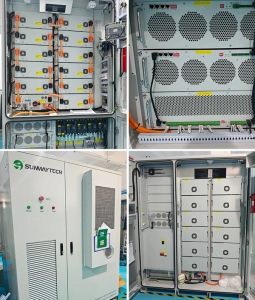
Evaluating Air-Based Thermal Management
Traditional forced-air cooling has served as the baseline standard for industrial hardware for many years. This methodology typically utilizes heavy-duty ventilation fans, and occasionally integrated HVAC units, to circulate ambient or chilled air across battery module racks. The primary advantage of air-managed infrastructure lies in its relative mechanical simplicity. Without the need for fluid pumps, microchannels, or coolant mixtures, the initial capital expenditure for these cabinets is frequently lower than their fluid-cooled counterparts.
Furthermore, maintenance protocols for air-cooled systems are highly familiar to standard on-site technicians. Routine upkeep generally involves replacing air filters and inspecting mechanical fans, tasks that rarely require specialized plumbing expertise. However, this simplicity introduces certain operational compromises. Air possesses a relatively low specific heat capacity, meaning a massive volume of air must be moved to dissipate concentrated heat effectively. In high-density commercial cabinets, this can lead to uneven temperature distribution, where cells near the fans run significantly cooler than those situated deep within the rack. Over time, this temperature variance can cause uneven cell degradation, potentially forcing the entire rack to perform at the capacity of its most degraded module.
The Rise of Liquid Systems for 100kW Battery Storage
To address the limitations of forced-air ventilation, modern engineering has increasingly shifted toward active fluid management, particularly for high-density applications. A liquid-cooled architecture utilizes a specialized network of microchannels integrated closely with the lithium-iron-phosphate (LFP) cells. A coolant mixture—often water and ethylene glycol—circulates through these channels, absorbing thermal energy directly at the source.
This approach provides exceptional thermal uniformity. Because fluid absorbs heat significantly more efficiently than air, these architectures can maintain internal temperature variances within a remarkably tight margin, often below three degrees Celsius. When examining specialized equipment, such as a high-density 100kw battery storage cabinet, the benefits of fluid integration become clear. For instance, the Sunway intelligent liquid-cooled 100kW/261kWh outdoor cabinet utilizes an 832V nominal voltage architecture paired with 314Ah LFP cells. By actively circulating coolant, the system allows these large-capacity cells to undergo intense, repetitive cycling without succumbing to localized hotspots. This precision extends the operational lifecycle of the cells and ensures that the facility extracts maximum value from its initial hardware investment.
Factoring in Geography and Facility Constraints
The decision between air and fluid management is rarely based on technical specifications alone; it is deeply influenced by the physical realities of the deployment site. Geographic location plays a major role in thermal system selection. In regions characterized by extreme ambient temperatures or high humidity, air-cooled systems often require substantial parasitic power to run integrated HVAC units continuously. In contrast, liquid-cooled cabinets, which typically feature enclosed, IP55-rated structural designs, isolate the internal battery environment from external weather variables, making them highly suitable for harsh desert or coastal deployments.
Spatial constraints within commercial real estate also dictate procurement choices. Because fluid management eliminates the need for large internal air gaps and massive fan enclosures, manufacturers can achieve a much higher energy density per square meter. For facilities where outdoor footprint is limited, deploying a compact, liquid-managed cabinet offers a pathway to securing substantial megawatt-hour reserves without requiring extensive structural expansion or the construction of dedicated, climate-controlled battery rooms.
Integrating Customized Hardware with Sunway Solar
Navigating the complexities of commercial thermal management requires a manufacturing partner capable of adapting to diverse project scopes. Relying on an enterprise with established Original Design Manufacturer (ODM) and Original Equipment Manufacturer (OEM) capabilities provides Engineering, Procurement, and Construction (EPC) firms with the flexibility necessary to execute complex deployments. Partners with deep technical expertise can assist in evaluating site-specific load profiles to recommend the appropriate cooling architecture.
Working with an established entity like Sunway Solar ensures that procurement teams receive hardware backed by robust supply chain logistics. With standard production lead times hovering around fifteen working days, project managers can accurately forecast their construction schedules. Furthermore, the financial viability of these commercial assets is reinforced by comprehensive warranty structures, including standard five-year protections on inverters and core battery components. The ability to request customized exterior branding or specific color schemes also allows corporate entities to maintain visual consistency across their global infrastructure portfolios.
Ultimately, designing a resilient corporate power network requires a thorough analysis of both immediate capital constraints and long-term operational expenditures. While traditional ventilation methods remain viable for specific light-industrial applications, the transition toward fluid-based thermal regulation offers a compelling pathway for maximizing energy density and component longevity. By carefully evaluating geographic demands, spatial limitations, and high-intensity duty cycles, businesses can select a thermal architecture that transforms intermittent renewable generation into a highly stable, predictable asset for the future.